
Export certificate for a cultural property
This certificate attests that a cultural property may permanently leave the national territory, after verification that it is not listed and that its removal complies with the regulations.
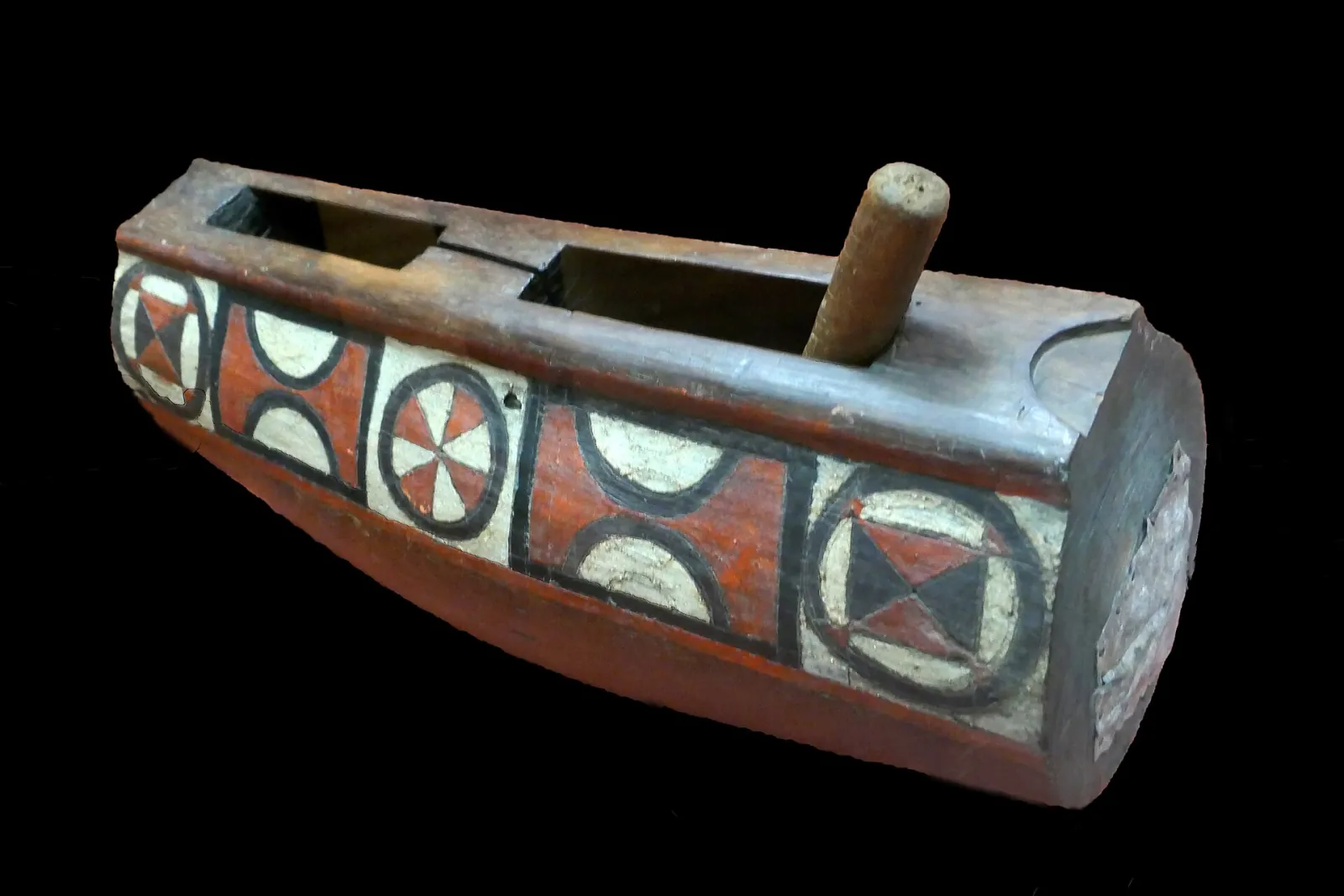
Selling a sculpture to a buyer in Paris, sending a painting to a collector in Dakar or moving one’s collection abroad requires proof that the property may leave the country. The export certificate is that document. After examining the object, the service records its nature, its age and its status, then issues the certificate. It is requested by carriers and customs, and protects the buyer against any challenge. Without it, the shipment may be blocked at the border and the work seized.
Documents to provide
- Signed application form for an export certificate
- Copy of the identity document of the owner or representative, or registration extract
- Clear photographs of the property from several angles, with a visible scale
- Detailed description: title, author, period, dimensions, materials, condition
- Proof of ownership: invoice, attestation from the artist or deed of succession
- Certificate of non-listing or pending application, where required
- Pro forma invoice or sales contract with the foreign buyer, with final destination
- Agreement of the customary custodians for ritual objects or objects of community use
Before you begin
- The property must not be listed as cultural heritage, nor be the subject of a pending listing procedure or a claim.
- The applicant must prove ownership or a sales mandate, by invoice, deed of succession, certificate of provenance or attestation from the artist.
- The property must be identifiable without ambiguity: photographs, dimensions, material and distinctive marks are provided to the service.
- Objects of ritual or community use leave only with the written agreement of the customary custodians, included in the file.
- Fee payable
- 20,000 FCFA
- Turnaround
- The certificate is issued within 7 to 14 working days of the presentation of the property
- Validity
- Valid for 6 months from its issue, for the property and the recipient named
- Documents to provide
- 8
Step by step
- File submissionYou submit the application with the photographs and proof of ownership, then make an appointment to present the object.
- Examination of the objectAn official of the Cultural Property Circulation Service, assisted by an expert if needed, examines the property and checks its identification sheet.
- Status checkThe service consults the list of listed property and that of property reported as stolen before ruling on the removal.
- Payment and issueThe fee payable is displayed before payment. The certificate is then signed, numbered and handed over with the authenticated photographs.
- Presentation at customsYou give the certificate to the freight forwarder. At the border, customs compares the package with the certificate before dispatch.
Who is this procedure for?
Any owner, seller, gallery owner, authorised freight forwarder or artist who wishes to permanently remove a cultural property from Cameroon. Living artists exporting their own recent creations follow a lighter procedure. Old, ritual or archaeological property is examined with particular care.
Processing time. The certificate is issued within 7 to 14 working days of the presentation of the property. Doubt about the age, provenance or status of the object requires an expert appraisal that may add 15 days.
Special cases
For a recent creation, the artist’s attestation is generally enough to prove origin. The procedure is simplified, but photography and identification remain mandatory.
An old piece held by a family or a chiefdom is subject to in-depth examination. Refusal is frequent where it is an object of power or worship.
If the shipment is split, a certificate is issued for each package, with the endorsed list. Seal numbers are recorded in the file.
Useful templates and documents
- Work identification sheetProfile
- Certificate of non-listingCertificate
- Export certificateCertificate
- Customs declaration of works of artStatement
- Export licenceCertificate
Frequently asked questions
Is the certificate necessary for a contemporary work?
Yes, any permanent removal of an artwork for commercial purposes is controlled, even if recent. The procedure is faster, but the certificate is still required by carriers.
Can I take out a mask inherited from my grandfather?
It depends on its status and cultural value. It is examined by the service, which may object to its removal if it is considered to be of national or ritual interest.
What should I do if the service refuses the removal?
The refusal is reasoned in writing. You may request a new review with additional evidence, or propose a temporary export for an exhibition.
Does the certificate replace the customs declaration?
No. It attests that removal is permitted on cultural grounds, but the customs declaration and the payment of any duties must still be completed separately.
Reference texts
- Law No. 2013/003 of 18 April 2013 governing cultural heritage in CameroonLaw
- Texts in force relating to the circulation of cultural propertyText
- Guide for exporters of cultural propertyGuide
Services that process the file
- Cultural Property Circulation Service
- Listing and Protection Service
- One-Stop Shop
Conseil. Faites photographier l’objet avec une règle ou un repère de taille et conservez ces images : elles sont comparées au bien lors du contrôle final au départ.
Submit the file
Fee payable: 20,000 FCFA
Have an account? Sign in to pre-fill the form and attach your documents.