
Declaration of the purchase of a work by a collector
This procedure allows a collector to declare the acquisition of a work in order to register it in their name, secure their ownership and facilitate its resale or insurance.
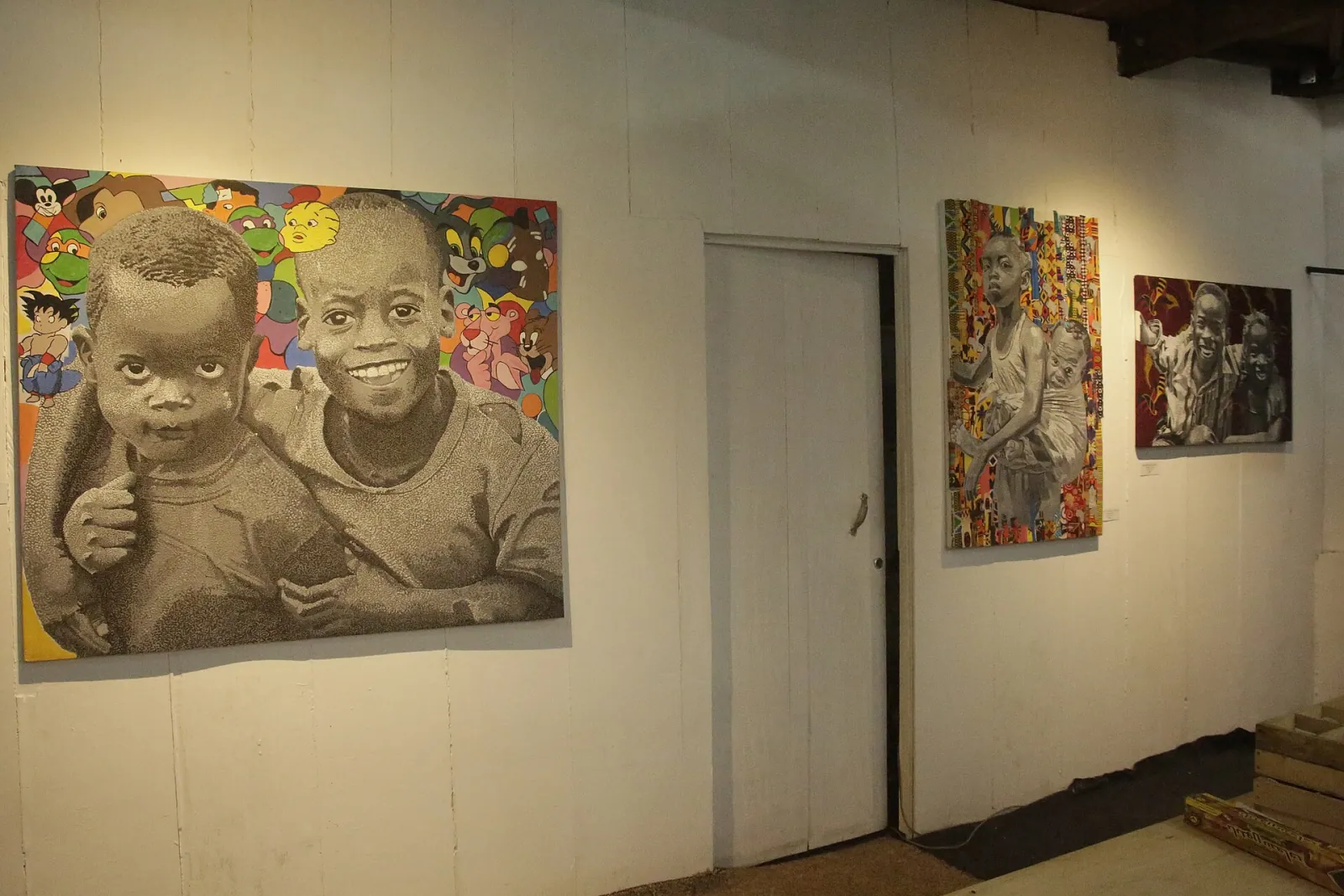
A collector who acquires a work from an artist, a gallery or another enthusiast may declare the purchase to the One-Stop Shop. The administration records the work and its owner, checks that it does not appear among the goods reported stolen and issues a certificate of acquisition. This document facilitates insurance of the piece, its future transfer and any application for listing. It is particularly useful for old objects or those of high value.
- Fee payable
- 5,000 FCFA
- Turnaround
- Processing takes about ten working days
- Validity
- No time limit, as long as the work remains the property of the declarant
- Documents to provide
- 7
Who is this procedure for?
Any individual, company or association that acquires a work of art, a collector’s item or a piece of movable heritage, whether resident in Cameroon or abroad. Museums and public institutions follow a specific acquisition procedure and are not concerned.
Processing time. Processing takes about ten working days. It may exceed fifteen days if the work requires further examination of its provenance or if the seller could not be identified.
Before you begin
- Provide proof of acquisition, whether for payment or free of charge, evidenced by an invoice, a sales contract, a deed of gift or a statement from the seller.
- Provide the seller’s full identity and, where the seller is a professional, their registration number in the register of antique dealers or their approval.
- Submit the declaration within thirty days of purchase in order to retain the benefit of registration without in-depth checks.
- Undertake to report any resale, gift or removal of the work from the territory so that the file can be kept up to date.
Documents to provide
- Purchase declaration form duly completed
- Copy of the buyer’s identity document
- Invoice, sales contract or deed of gift stating the declared price or value
- Photographs of the work: overall view, details, signature and reverse
- Seller’s identity document or professional’s registration number
- Certificate of authenticity or expert report where one exists
- Proof of earlier provenance: former invoice, exhibition catalogue or family statement
Step by step
- Entering the purchaseYou describe the work, its date of acquisition, the price paid and the circumstances of the purchase, for example gallery, studio, auction or inheritance.
- Submitting the evidenceYou attach the photographs, the invoice and the seller’s identity document. The fee payable is displayed before payment.
- Checking of reportsThe Cultural Property Circulation Service checks the work against the objects reported stolen or missing and against the list of listed properties.
- Registration in the buyer’s nameThe work is entered in the register of acquisitions, with a unique number added to your file.
- Certificate of acquisitionThe certificate is published in your account. You may provide it to your insurer or to a future buyer.
Special cases
You attach the invoice and the export document of the seller’s country. The entry of the work into the territory is recorded at the same time as your acquisition.
The hammer-price slip and the sale report replace the invoice. Earlier provenance is taken from the sale catalogue.
In the case of a purchase in joint ownership, all buyers are identified together with their share. One person is designated to receive the certificate and represent the group.
Frequently asked questions
Does the declaration prove that the work is authentic?
No. It certifies your acquisition and the absence of any known report, but authenticity is a matter for a certificate or an expert appraisal. Attach one if you have it, to strengthen your file.
Do I have to declare a purchase made several years ago?
Yes, you may do so at any time. Provide the documents from the time; failing that, a sworn statement accompanied by old photographs and a statement from the seller will be examined case by case.
Can the administration seize my work?
Only if it is reported stolen, comes from trafficking or belongs to the public domain. In all other cases, the declaration does not call your right of ownership into question.
Can I be represented for the declaration?
Yes, by an agent holding a signed power of attorney and a copy of your identity document. The selling gallery owner may carry out the procedure on your behalf if authorised to do so.
Useful templates and documents
- Contract for the sale of a work of artContract
- Certificate of authenticityCertificate
- Work identification sheetProfile
- Certificate of provenanceCertificate
- Certificate of ownershipCertificate
- Auction slipProfile
- Bidding orderForm
- Hammer price invoiceInvoice
- Invoice for a work of artInvoice
- Proof of paymentCertificate
- Collections accession registerRegister
- Record of acquisitionMinutes
- Declaration of sale to the administrationStatement
Reference texts
- Law No. 2013/003 of 18 April 2013 governing cultural heritage in CameroonLaw
- Collector’s guide, MINAC One-Stop ShopGuide
Services that process the file
- Cultural Property Circulation Service
- One-Stop Shop
Conseil. Conservez la facture d’origine et demandez au vendeur de mentionner la provenance précise de l’œuvre : c’est la pièce que l’on vous réclamera le plus souvent.
Submit the file
Fee payable: 5,000 FCFA
Have an account? Sign in to pre-fill the form and attach your documents.