
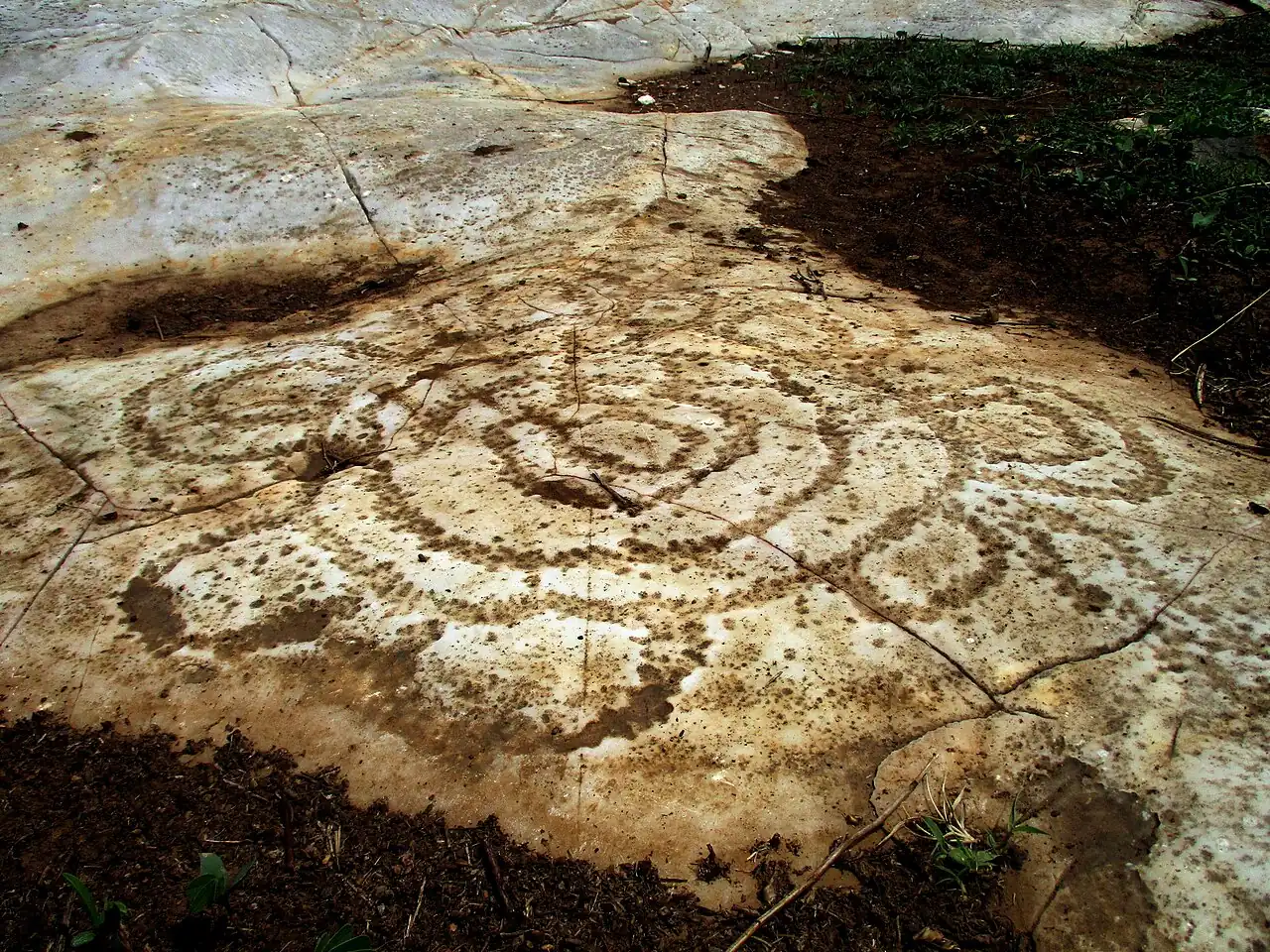
Declaration of a chance discovery
This procedure enables anyone who has come across an ancient object or remains by chance to report it to the Ministry so that it can be protected and studied.
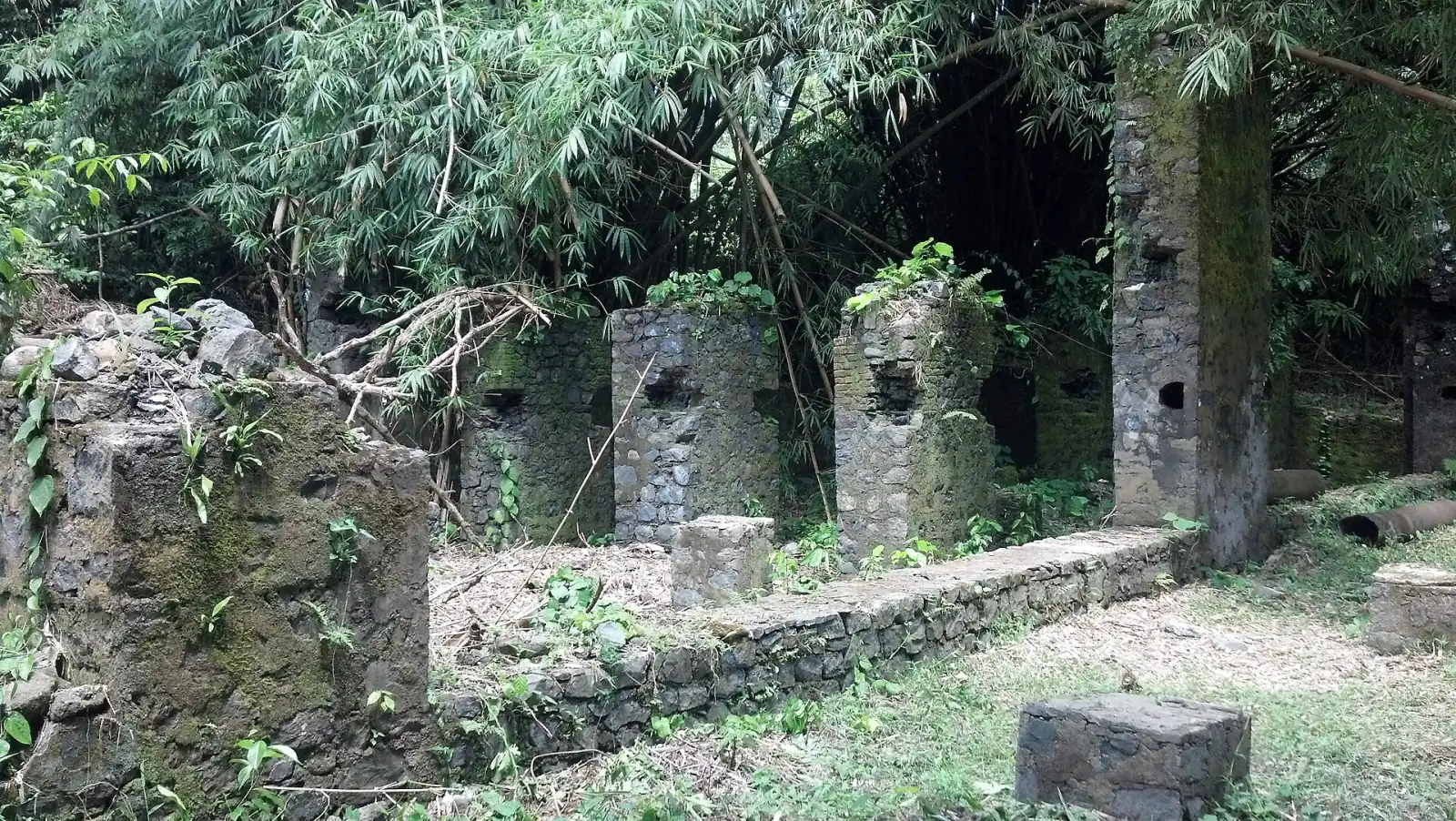
While ploughing, digging, building a house or going for a walk, you may come across pottery, bones, ancient tools or built remains. The law requires that this be reported without delay: the Ministry can then examine the discovery, protect the site and reward the finder who acted in good faith. Reporting is free of charge and requires no particular archaeological knowledge. You receive an acknowledgement of declaration and, depending on the interest of the find, a visit from the heritage team. Failing to report exposes you to penalties and causes scientific information to be lost.
Step by step
- Securing the findStop digging, do not move anything and protect the area. If necessary, mark off the spot and inform the village chief or the person in charge of the site.
- StatementSubmit the declaration through the One-Stop Shop, by telephone or to the regional delegation. A file number is provided.
- Verification visitAn officer of the regional delegation visits the site to examine the remains, photograph them and determine whether they warrant protection.
- Protection decisionThe Ministry may order the suspension of works, the conservation of the site or a rescue excavation. The owner and the person who reported the find are informed.
- Possible rewardA finder who acted in good faith may receive official recognition and, in some cases, compensation. A record of the handover of the object is drawn up.
- Fee payable
- Free
- Turnaround
- An officer contacts you within 5 working days and the verification visit generally takes place within 15 days
- Validity
- Valid for the reported discovery; protection lasts for as long as the Ministry decides
- Documents to provide
- 7
Documents to provide
- Chance discovery declaration form completed online or at the One-Stop Shop
- Identity document of the declarant
- Photographs of the find and its surroundings, with an object for scale
- Precise location: village, locality, GPS coordinates or sketch
- Description: date, circumstances, approximate depth, associated objects
- Certificate from the landowner or village chief, if possible
- Sworn statement that the discovery was accidental
Before you begin
- The discovery must have been made by chance, without any deliberate search for remains, which the declarant attests by a sworn statement.
- The declarant must notify the Ministry or the regional delegation within forty-eight hours of the discovery, stating the place and nature of the find.
- The remains must stay in place, as found, or be secured without cleaning or dismantling, pending the arrival of an officer.
- The declarant must provide full contact details so that the Ministry can reach them for the verification visit and any follow-up.
Who is this procedure for?
Anyone who discovers remains or objects presumed to be of archaeological, historical or cultural interest must make the declaration: farmer, labourer, building contractor, village chief or simple walker. The landowner and the site manager are also required to inform the authorities.
Processing time. An officer contacts you within 5 working days and the verification visit generally takes place within 15 days. Remote regions or those that are difficult to reach may require additional time.
Frequently asked questions
Is there a risk of prosecution if I report late?
A late declaration made in good faith is generally treated leniently if the remains have not been sold or destroyed. The most important thing is to report as soon as you realise the interest of the discovery.
Can I keep the object I found?
No. Archaeological remains belong to the State. You must hand them over to the Ministry, but you may ask to be named as the finder in publications.
Will my land be seized?
No. The land remains your property. The Ministry may only temporarily restrict certain works and provide for compensation if protecting the site causes you harm.
Do I have to pay anything to report a find?
No. Reporting is free of charge. No fee is charged to the finder, including for the officer’s visit and the Ministry’s examination of the remains.
Special cases
Work is stopped in the area concerned and the contractor informs the Ministry immediately. A rescue excavation may be carried out before work resumes.
If you have already picked up the object, hand it over without cleaning it to the regional delegation. A receipt is issued to you and the declaration can be regularised without prosecution if you acted in good faith.
The traditional chief is involved from the first visit. The Ministry ensures that local customs are respected and may decide to leave the remains in place.
Useful templates and documents
- Standardised inventory sheetProfile
- Collections accession registerRegister
- Deposit receiptCertificate
- Seizure reportMinutes
Reference texts
- Law No. 2013/003 of 18 April 2013 governing cultural heritage in CameroonLaw
- User guide: what to do if you make a discoveryGuide
Services that process the file
- Directorate of Cultural Heritage
- Regional Delegations
- One-Stop Shop
Conseil. Prenez plusieurs photographies avant de toucher à quoi que ce soit, et notez l’heure et l’endroit exact de la trouvaille : ces informations ont plus de valeur scientifique que l’objet lui-même.
Submit the file
This procedure is free of charge.
Have an account? Sign in to pre-fill the form and attach your documents.