
Declaration of keeping a police register of art objects
This procedure allows you to officially declare the opening or updating of your police register of art objects and to have it endorsed by the cultural administration.
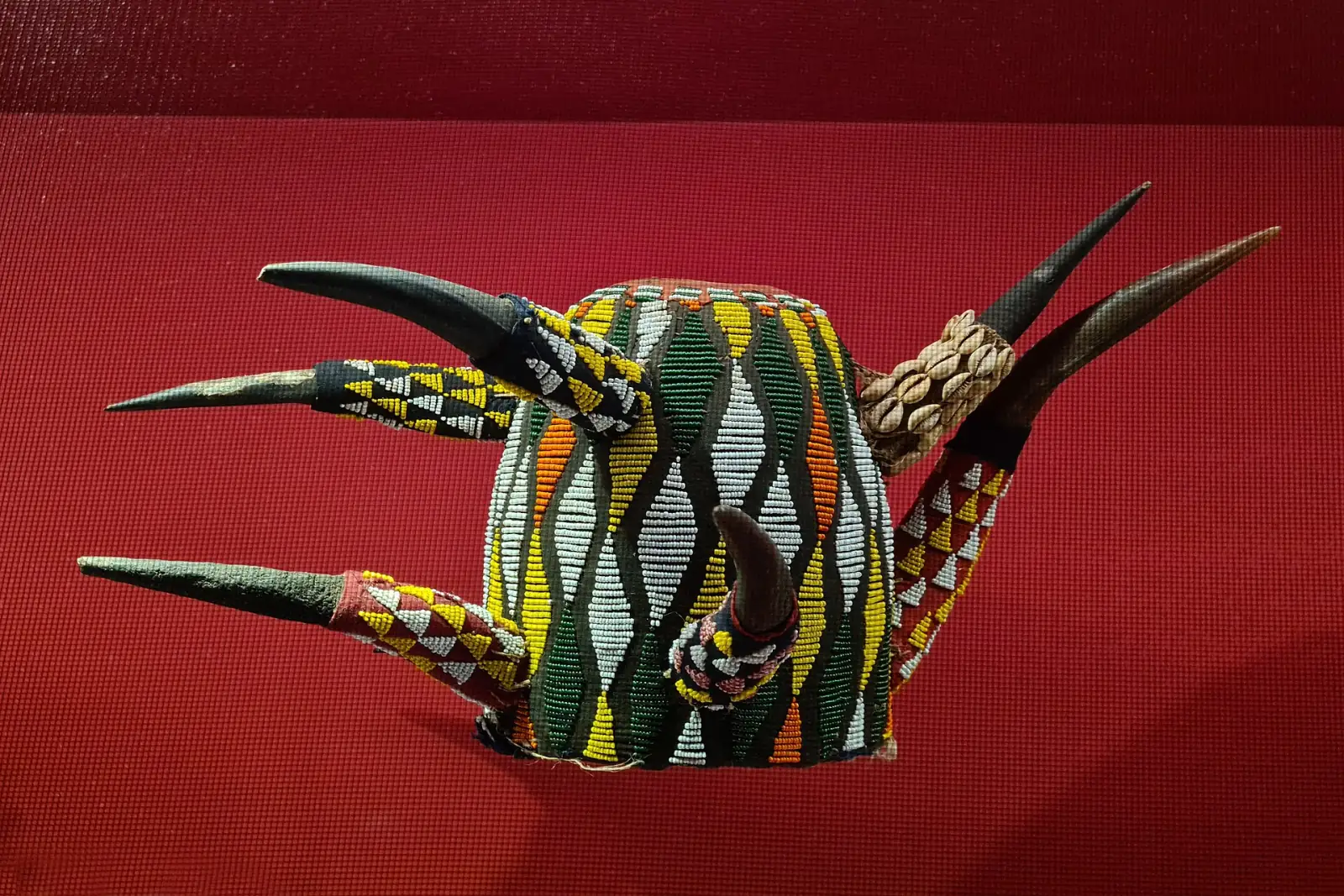
Any professional who buys or sells art objects or antiques must record every transaction in a police register, numbered and initialled. The declaration of register keeping informs the Ministry that the register exists, specifies its form and where it is kept, and enables the administration to endorse it. You make it when a register is opened, when it is renewed once full, or after a loss. The receipt issued to you proves your compliance in the event of an inspection.
- Fee payable
- Free
- Turnaround
- Allow ten to fifteen working days to obtain the receipt
- Validity
- Valid until the declared register is closed
- Documents to provide
- 7
Who is this procedure for?
Registered antique dealers, gallery owners, second-hand dealers and auctioneers who handle art objects, as well as associations that organise regular sales of cultural objects. Artists who sell their own creations are not required to declare a police register.
Processing time. Allow ten to fifteen working days to obtain the receipt. The time increases if endorsing the register requires an officer to travel outside the town where the Regional Delegation is located.
Before you begin
- Hold a valid registration number in the register of antique dealers, or an equivalent approval.
- Have a register with numbered pages, bound, or kept in a time-stamped digital format that prevents any entry from being deleted.
- Name the person responsible for keeping the register and state where it is kept and made available to officers.
- Record transactions in chronological order, with no blanks or erasures, giving a description of each object and the identity of the seller.
Documents to provide
- Register-keeping declaration form completed and signed
- Copy of the certificate of registration in the register of antique dealers or of the approval
- Copy of the identity document of the person responsible for keeping the register
- Photograph of the cover page and first page of the paper register, or a capture of the digital template
- Previous register, or the closing report of the earlier register, in the case of renewal
- Sworn statement of loss or theft of the register, with the police complaint receipt, in the case of replacement
- Plan or description of the place where the register is kept
Step by step
- Choice of declaration typeYou specify whether this is a first opening, a renewal or the replacement of a lost register, which determines the documents required.
- File submissionYou attach the documents in your One-Stop Shop account and confirm the name of the person responsible and the address where the register is kept.
- Checking of the templateThe Cultural Property Circulation Service checks that the register meets the formal requirements: pagination, mandatory headings, no detachable pages.
- Endorsement of the registerAn officer of the Regional Delegation endorses and initials the register, either by appointment or during a visit to your establishment.
- Issue of the receiptThe declaration receipt is published in your account. It bears a register number to be copied onto the first page.
Special cases
A time-stamped file is accepted if it does not allow any earlier entry to be modified. You then present a demonstration of the tool and a dated export when you submit.
You declare the loss within eight days, attach the police complaint receipt and open a new register. The old number is cancelled and earlier transactions are reconstructed from invoices.
Each point of sale keeps its own register, declared separately. A central register can replace local registers only with the express authorisation of the processing service.
Frequently asked questions
How often must I have my register endorsed?
The endorsement is given when the register is opened and when it is closed. In between, the administration may carry out on-site checks at any time, without notice, and verify that entries are up to date and continuous.
What must I record for each object?
The date of the transaction, the description of the object, its dimensions, its material, its declared origin, the identity and address of the seller or buyer, the price and the identity document presented.
Can I correct an error in the register?
You must never erase. Neatly strike out the incorrect line with a single stroke, leaving it legible, then enter the correction on the next line with the date and your signature.
What penalties apply if a register is not kept?
Failure to keep a register or inaccurate entries may result in a warning, suspension of registration or, depending on the texts in force, prosecution. Prompt regularisation greatly limits these consequences.
Useful templates and documents
- Work identification sheetProfile
- Register of lotsRegister
- Police register of art objectsRegister
- Register of antique dealersRegister
- Gallery owner’s licence certificateCertificate
Reference texts
- Law No. 2013/003 of 18 April 2013 governing cultural heritage in CameroonLaw
- Texts in force relating to the keeping of the police registerText
Services that process the file
- Cultural Property Circulation Service
- Regional Delegations
Conseil. Ouvrez votre registre le jour même où vous recevez le récépissé et reportez-y immédiatement les objets déjà en stock, avec leur provenance.
Submit the file
This procedure is free of charge.
Have an account? Sign in to pre-fill the form and attach your documents.