
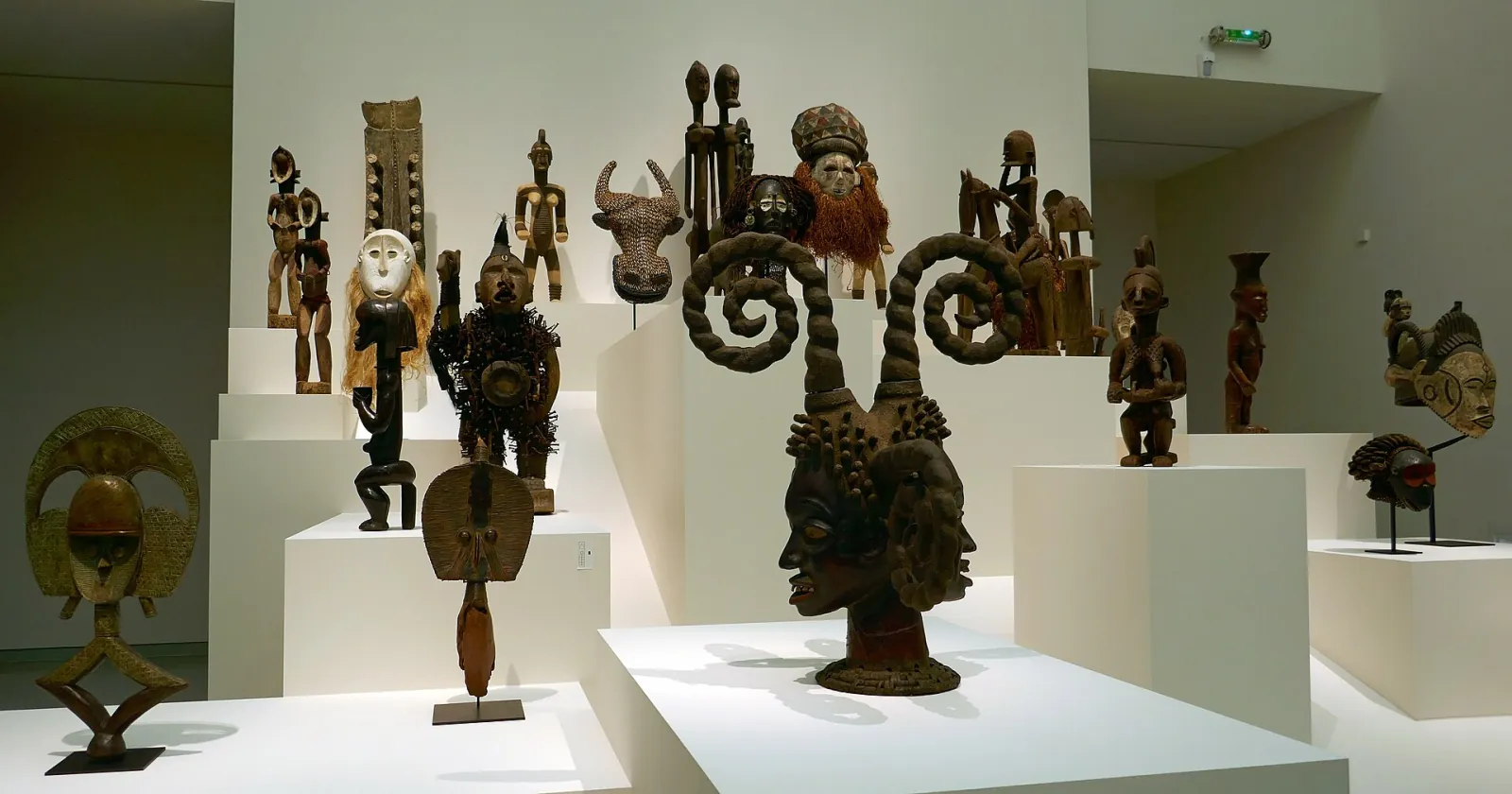
Request for the restitution of a cultural property
This procedure allows an owner, a community or an institution to request the restitution of a cultural property held by a third party or retained by an authority.
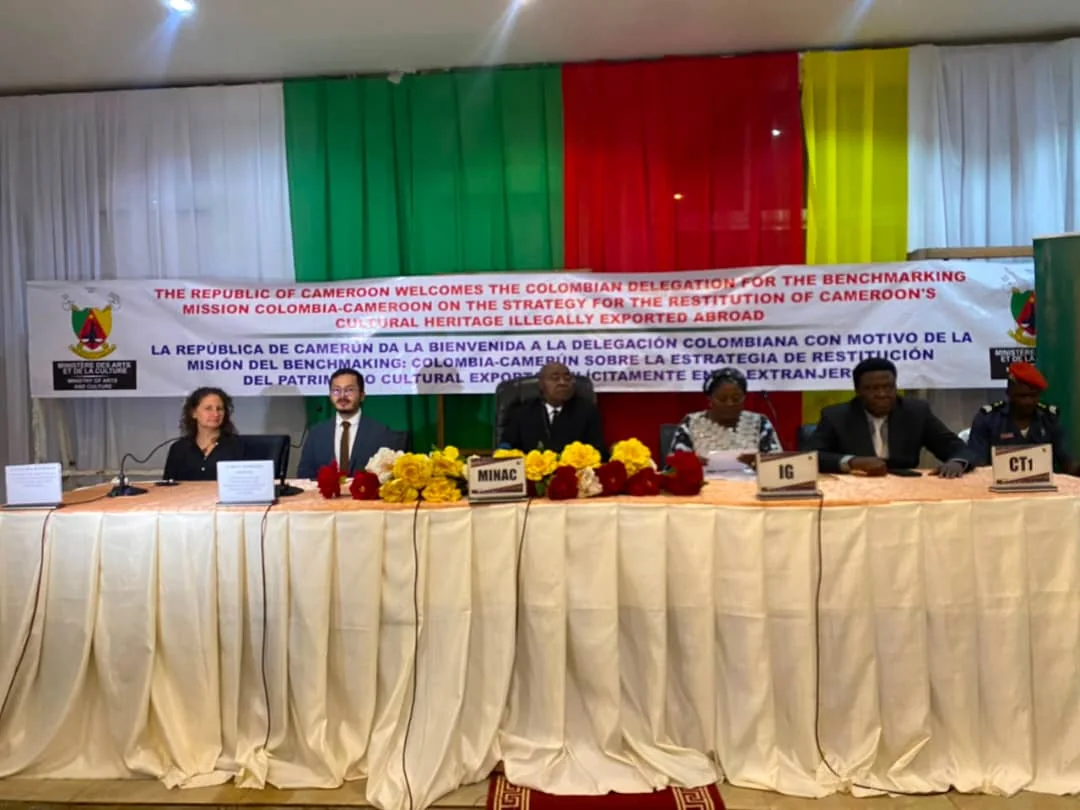
A restitution request aims to return a cultural property to its rightful owner, its community of origin or a public institution where it has been seized, retained, exported without authorisation or held by a third party without right. It opens a procedure to verify ownership and provenance, which may lead to a decision for amicable restitution or to referral to the courts. It also applies to property held at the border or kept by a State department.
Step by step
- Submission of the applicationYou complete the restitution form on the One-Stop Shop and upload the reasoned letter together with all the evidence in your possession.
- Admissibility reviewThe Directorate of Cultural Heritage checks the standing of the applicant and the identification of the property, then formally opens the procedure.
- Inquiry and adversarial exchangeThe processing service questions the current holder, carries out field checks if necessary and invites you to respond to the evidence gathered.
- Commission opinionA review commission gives an opinion on the ownership of the property and the conditions of its handover, after hearing the parties who request it.
- Decision and handover of the propertyThe decision is notified. In the case of restitution, a handover report is signed by both parties when the property is recovered.
- Fee payable
- Free
- Turnaround
- A restitution request is a lengthy procedure: allow generally sixty to one hundred and twenty working days depending on complexity
- Validity
- The restitution decision becomes final once the avenues of appeal have expired
- Documents to provide
- 7
Documents to provide
- Reasoned request letter setting out the history of the property and the circumstances of its loss or seizure
- Applicant’s identity document, or statutes and power of representation in the case of a community or association
- Old or recent photographs of the property and the object identification sheet
- Title deed, invoice, succession deed or chiefdom certificate establishing the applicant’s rights
- Written statements from two people familiar with the history of the property
- Seizure report, complaint receipt or correspondence with the authority holding the property
- Expert report or provenance document, if available
Before you begin
- Identify the claimed property precisely by its description, dimensions and distinguishing features, with photographs or documents from the time.
- Establish status as owner, successor in title or legitimate representative of a community, by a deed, a statement or a customary certificate.
- State the place and the person currently holding the property or, failing that, the circumstances of its disappearance.
- Undertake to keep the property, in the event of restitution, in security conditions appropriate to its nature.
Who is this procedure for?
The dispossessed private owner, the chiefdom or community from which a ritual object was taken, a cultural association, a museum, or the successor in title of a deceased owner. The applicant must be able to establish a clear link with the claimed property. An agent may submit the request with a written power of attorney.
Processing time. A restitution request is a lengthy procedure: allow generally sixty to one hundred and twenty working days depending on complexity. Hearing witnesses, an expert appraisal or opposition from the holder may extend the processing.
Frequently asked questions
Can I claim a property for which I no longer have documents?
Yes, but your file will have to rely on other evidence: family photographs, consistent statements, community certificates. The more numerous and dated these items are, the better the chances of success.
Is restitution free of charge?
Examination of the file does not give rise to any fee for the Ministry. The costs of transport, packing and insurance of the property remain the responsibility of the beneficiary, unless the commission decides otherwise.
What should I do if the holder refuses to return the property?
The processing service attempts mediation. If this fails, it issues you a certificate of the status of the procedure, which allows you to bring the matter before the competent court.
Will my name be disclosed to the holder?
The applicant’s identity is disclosed to the holder as part of the adversarial process, since the holder must be able to respond. Documents concerning private life, such as home addresses, remain protected.
Special cases
The request is submitted by the chief or their designated representative, with a certificate from the council of notables. The handover may be accompanied by a ceremony in the presence of the traditional authorities.
If an object has been seized by customs, the request is forwarded to the seizing service. You will have to prove the lawful origin of the property in order to obtain its release.
The Ministry may open discussions with the holding institution. Your documents then serve as the basis for a request made through diplomatic channels, which lengthens the timeframe.
Useful templates and documents
- Certificate of provenanceCertificate
- Certificate of ownershipCertificate
- Claim notificationStatement
- Stolen object report sheetProfile
- Restitution request letterNewsletter
- Seizure reportMinutes
Reference texts
- Law No. 2013/003 of 18 April 2013 governing cultural heritage in CameroonLaw
- Texts in force relating to the protection and restitution of cultural propertyText
- Guide to the restitution of cultural property, MINAC One-Stop ShopGuide
Services that process the file
- Directorate of Cultural Heritage
- Listing and Protection Service
Conseil. Rassemblez les témoignages des anciens avant de déposer : ils peuvent s’éteindre avec le temps et constituent souvent la preuve décisive d’une propriété coutumière.
Submit the file
This procedure is free of charge.
Have an account? Sign in to pre-fill the form and attach your documents.