
Temporary import for an exhibition
This procedure authorises the temporary entry into Cameroon of foreign works intended for an exhibition, with a guarantee that they will leave the territory at the end of the event.
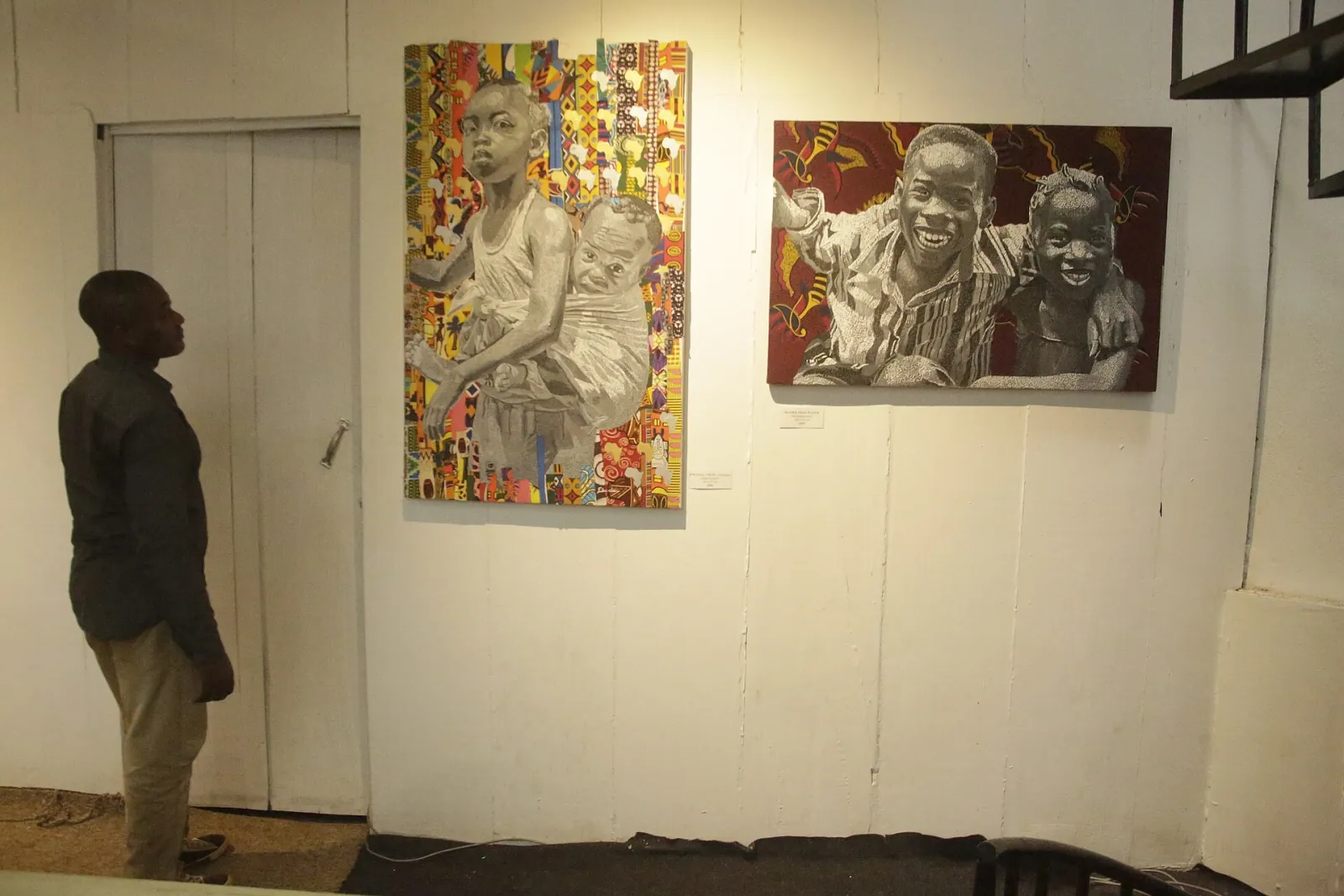
Hosting an international exhibition, a biennale or an artist residency means bringing in works that are not meant to remain in the country. Temporary import allows you to present them to the public under conditions of security and customs compliance. You obtain a temporary entry authorisation, an endorsed list of the pieces and the deadline for their re-export. It reassures foreign lenders, facilitates insurance and avoids the permanent levying of duties on works that will leave again.
- Fee payable
- 15,000 FCFA
- Turnaround
- Processing takes 7 to 12 working days from a complete file
- Validity
- Valid for the duration of the exhibition, up to 12 months, extension possible on reasoned request
- Documents to provide
- 8
Who is this procedure for?
Museums, cultural centres, galleries, festivals, universities and artists’ collectives based in Cameroon that organise or host an exhibition including works belonging to foreign third parties. The file is submitted by the local organiser, who stands guarantor for the return of each work.
Processing time. Processing takes 7 to 12 working days from a complete file. A large number of works or the absence of a signed loan agreement may lengthen the processing.
Before you begin
- The exhibition must be organised by a body established in Cameroon, which undertakes to present the works to the public at the venue and for the period declared.
- Foreign lenders must confirm in writing their agreement to the loan, the insured value and the required conditions of display.
- The organiser undertakes to re-export all the works before the set deadline and to notify any sale so that it can be regularised.
- The security, climate and surveillance conditions of the exhibition venue must be compatible with the nature and value of the works.
Documents to provide
- Temporary import application form signed by the organiser
- Statutes or registration extract of the organising body
- Loan agreement or exhibition contract with each foreign lender
- Detailed list of works with insured value, dimensions and photographs
- Exhibition schedule and description of the venue with its security arrangements
- “Nail-to-nail” insurance certificate covering the works from departure to return
- ATA carnet or equivalent customs document, if one exists
- Written re-export undertaking signed by the organiser
Step by step
- File submissionThe organiser sends the application with the loan agreements and the list of works, at least three weeks before the planned arrival.
- Checking of the worksThe Cultural Property Circulation Service verifies the identification of the pieces and the regularity of their provenance, and approves the host venue.
- Temporary authorisationOnce the fee, displayed before payment, has been paid, the temporary entry authorisation is issued with the endorsed list.
- Entry and exhibitionThe works are cleared through customs under the temporary regime. An entry condition report is signed jointly with the carrier.
- Re-exportAt the end of the exhibition, the organiser has the departure of the works recorded. The service closes the file and releases the customs guarantees.
Special cases
If the exhibition continues to another country after Cameroon, the itinerary is attached. A customs carnet then simplifies border crossings and re-export.
A sale turns the temporary admission into a permanent import. The organiser must inform the service so that it can draw up the regularisation and the applicable duties.
Works produced on site by a guest artist are not imported, but his or her materials and earlier works are. The list of equipment is attached to the file.
Frequently asked questions
Who is responsible in the event of theft or damage?
The local organiser is responsible for the works during their stay, subject to the insurance and the loan agreement. Any incident must be reported immediately to the service.
Can I extend my exhibition by two months?
Yes, by submitting an extension request before the deadline, with the lenders’ agreement and the new insurance certificate. It is examined within a few days.
Is an ATA carnet mandatory?
No, but it greatly simplifies the formalities if the country of departure accepts it. Failing that, the list endorsed by the service and a re-export undertaking serve as a guarantee.
Must the works be inspected on arrival?
Yes, an identification check is carried out when the crates are opened, in the presence of the organiser. It is accompanied by a condition report that serves as a reference for the return.
Useful templates and documents
- Artwork loan contractContract
- Transit passportProfile
- ATA carnet for exhibition worksRegister
- Pro forma invoiceInvoice
- Transport insurance certificateCertificate
- Transit slipRegister
- Exhibition agreementContract
- Exhibition insurance contractContract
- Condition report on entry to the exhibitionMinutes
- Assignment of exhibition rightContract
- “Nail to nail” insurance certificateCertificate
- Damage reportMinutes
- Certificate of non-objectionCertificate
Reference texts
- Law No. 2013/003 of 18 April 2013 governing cultural heritage in CameroonLaw
- Texts in force relating to temporary admissionText
- MINAC One-Stop Shop user guideGuide
Services that process the file
- Cultural Property Circulation Service
- Festivals and Events Service
- One-Stop Shop
Conseil. Prévoyez dans la convention de prêt qui prend en charge les frais de douane et d’assurance : les litiges sur ce point sont la première cause de retard à l’arrivée.
Submit the file
Fee payable: 15,000 FCFA
Have an account? Sign in to pre-fill the form and attach your documents.