
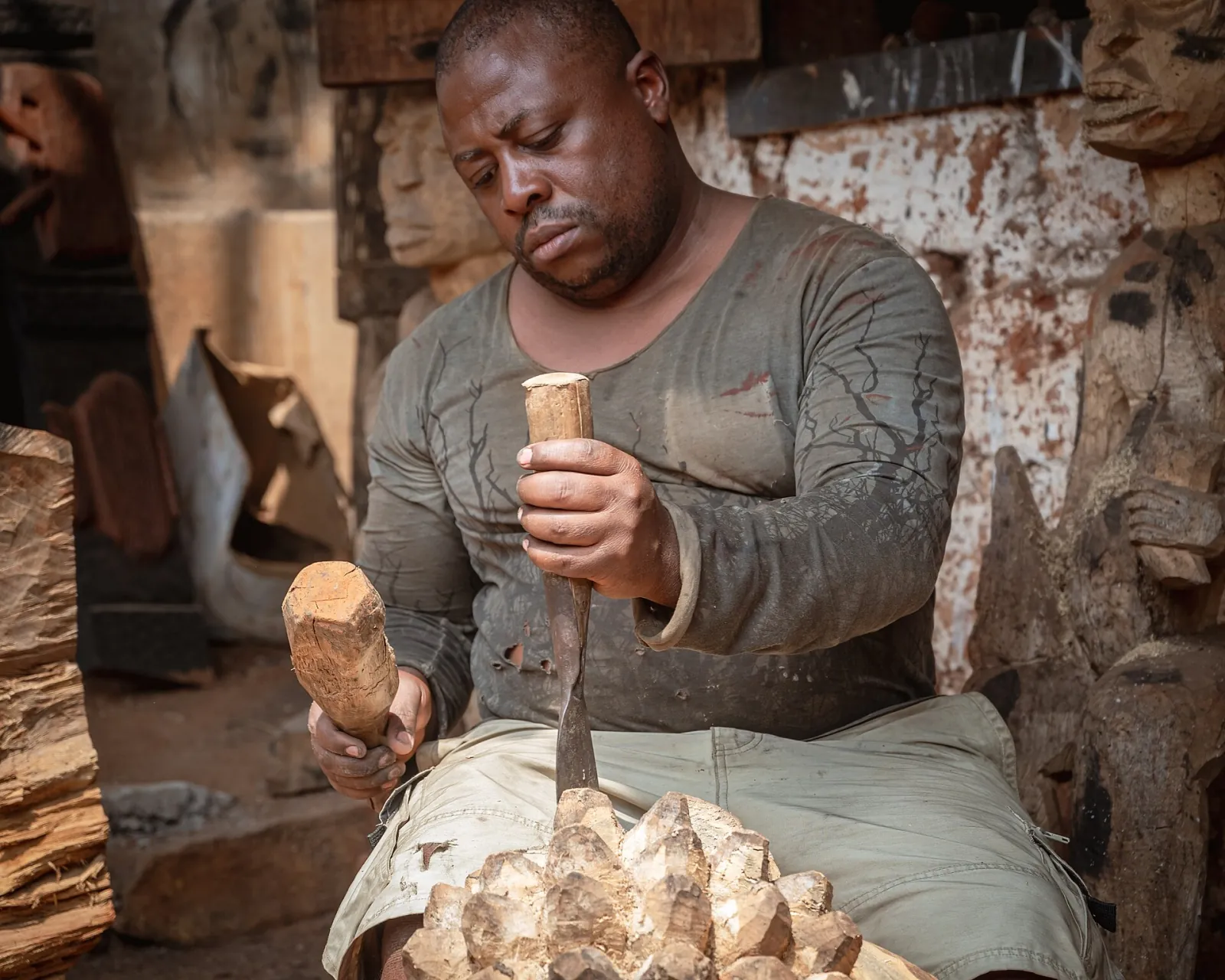
Declaration of the sale of a work by an artist
This procedure allows an artist to declare the sale of one of their works in order to establish the traceability of the work and secure their rights over the transaction.
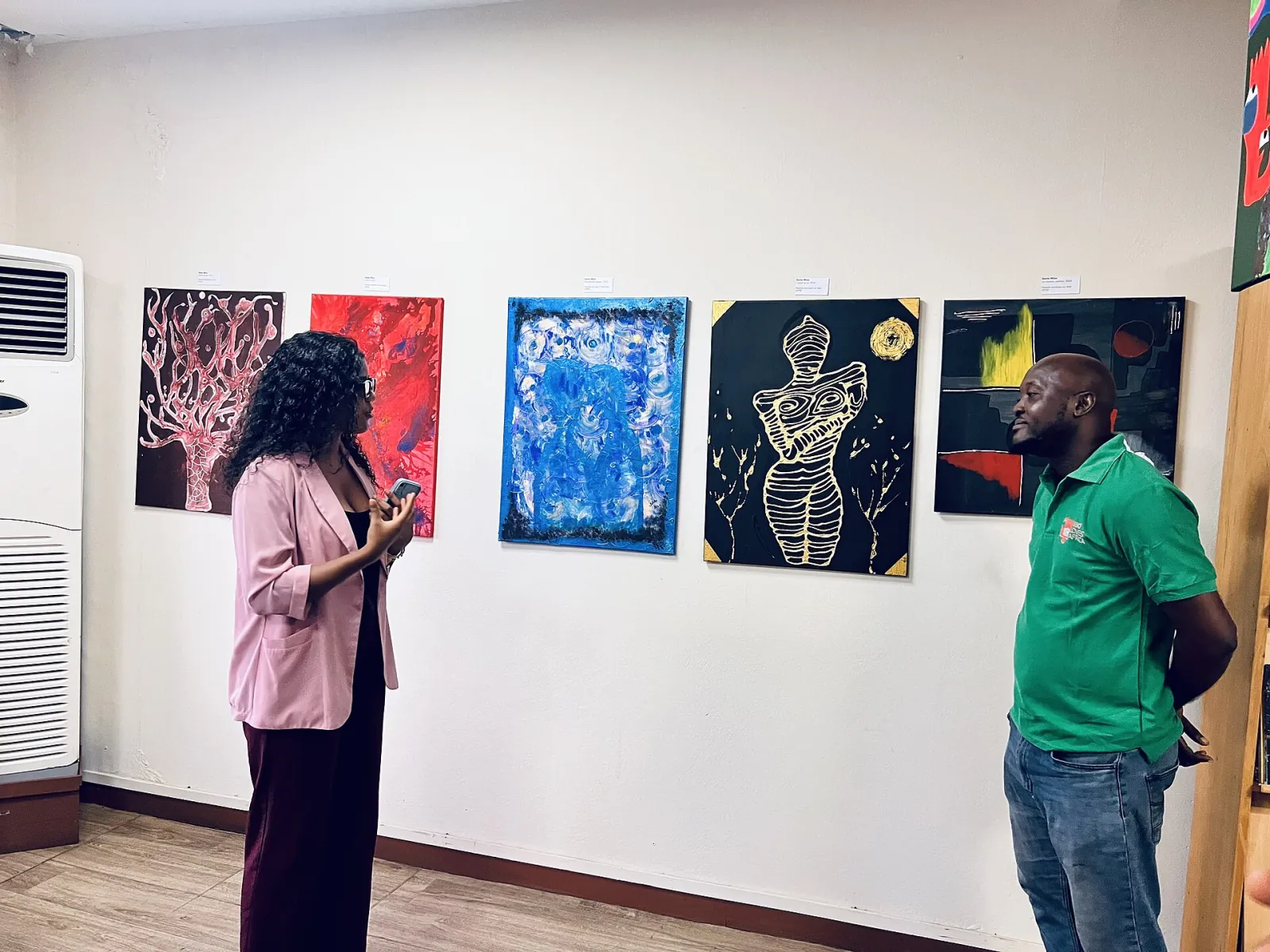
When an artist sells a work directly to a buyer, they may declare the sale to the One-Stop Shop. The declaration records the work, the price, the identity of the buyer and any reservations concerning reproduction rights. It gives you a receipt that proves the date of the sale and protects the work against challenges to its provenance. It is recommended for important works and necessary whenever the buyer is an institution, a local authority or a foreign purchaser.
Step by step
- Identification of the workYou enter the title, year of creation, technique, dimensions and studio inventory number, then add the photographs.
- Recording the saleYou state the date, the agreed price, the method of payment and the identity of the buyer, uploading the contract or invoice.
- Declaration of rightsYou specify whether you retain the right to reproduce the work and to authorise its exhibition, or whether these rights pass to the buyer.
- RecordingThe Artist Status Service checks the consistency of the documents and records the sale in the artist’s register of works.
- Issue of the receiptA dated receipt is placed in your account. You give a copy to the buyer together with the work.
- Fee payable
- Free
- Turnaround
- The receipt is generally issued within five to eight working days
- Validity
- No time limit
- Documents to provide
- 7
Documents to provide
- Sale declaration form completed and signed by the artist
- Copy of the artist’s identity document
- Colour photograph of the work sold, with its dimensions and technique
- Sales contract or invoice made out to the buyer
- Copy of the buyer’s identity document or, for a legal entity, of its registration
- Work identification sheet stating title, year, medium and studio inventory number
- Statement of copyright reservations or, where applicable, the deed of assignment of rights
Before you begin
- Be the author of the work sold or their duly designated successor in title, and be able to prove authorship through photographs or studio documents.
- Have concluded the sale in writing, with an agreed price and the full identity of the buyer, even for a private sale.
- Not have previously assigned the work to a third party, nor have placed it with a gallery on consignment without informing the gallery owner.
- State clearly whether the reproduction rights remain with the artist or are assigned to the buyer, and their extent.
Who is this procedure for?
Visual artists, sculptors, photographers, painters or ceramists, whether or not they are members of an association, who sell an original work made by their own hand. The procedure is also open to their successors in title where the artist is deceased and the sale concerns a work from a studio.
Processing time. The receipt is generally issued within five to eight working days. It may be delayed if the buyer’s identity needs to be confirmed or if the photographs are insufficient.
Frequently asked questions
Is the declaration compulsory for every sale?
It is not required for small pieces sold in a studio or at a market. It becomes strongly advisable as soon as the work is important, intended for export or bought by an institution.
Does the Ministry take a commission on the sale?
No. The declaration is an act of traceability and protection of your rights. It does not concern the price, and the Ministry takes no part in the negotiation between you and the buyer.
Can I amend my declaration after sending it?
Yes, as long as it has not been validated. After validation, you submit a reasoned amendment, for example to correct a price or an address, which is added to the original declaration.
Can my buyer ask for a copy of the receipt?
Yes, they obtain it from you. The receipt identifies the work and the date of sale, which serves as proof of provenance for resale or insurance.
Special cases
You state the country of destination of the work. The receipt then serves as proof for export from the territory if the buyer takes the piece away, subject to the export authorisation procedure.
If the work is signed by several artists from the same studio, all co-authors sign the declaration and the price is apportioned according to the split agreed between them.
The heirs provide the deed establishing their status and a certificate of authenticity of the piece issued by an expert or by the deceased artist’s association.
Useful templates and documents
- Contract for the sale of a work of artContract
- Gallery consignment contractContract
- Mandate to sell a workContract
- Certificate of authenticityCertificate
- Work identification sheetProfile
- Wall label and technical sheet for a workProfile
- Register of an artist’s worksRegister
- Invoice for a work of artInvoice
- Proof of paymentCertificate
- Statement of gallery commissionsReport
- Payment slip for remittance to the artistProfile
- Sales statementRegister
- Declaration of sale to the administrationStatement
Reference texts
- Law No. 2000/011 of 19 December 2000 on copyright and neighbouring rightsLaw
- Practical guide for visual artists, MINAC One-Stop ShopGuide
Services that process the file
- Artist Status Service
- One-Stop Shop
Conseil. Prenez vos photographies avant la remise de l’œuvre, sous bonne lumière et avec une échelle visible : elles serviront de référence en cas de litige.
Submit the file
This procedure is free of charge.
Have an account? Sign in to pre-fill the form and attach your documents.