
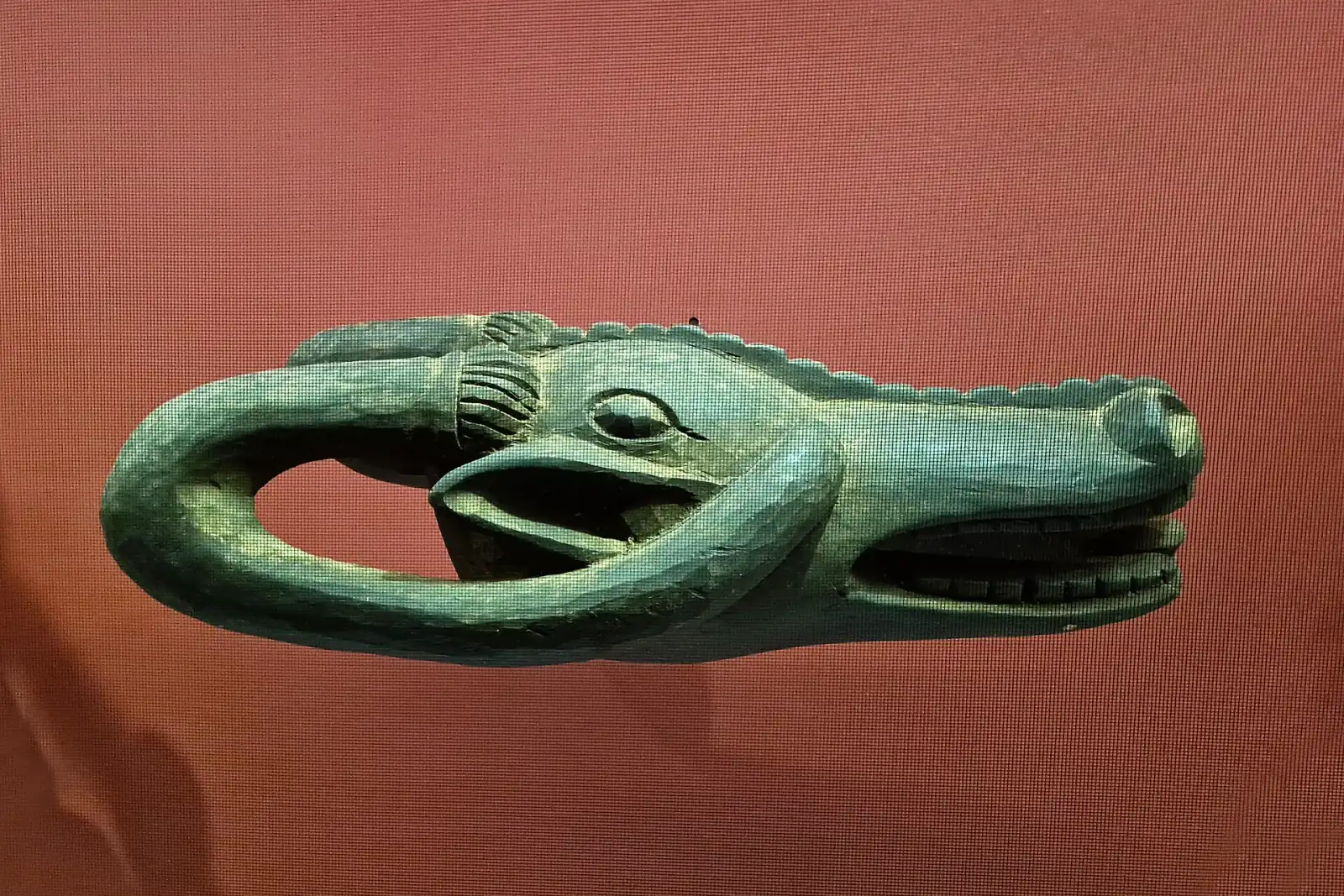
Request to reproduce museum objects
This procedure obtains authorisation to make casts, copies, facsimiles or photographic reproductions of objects held in a museum under the Ministry of Arts and Culture.
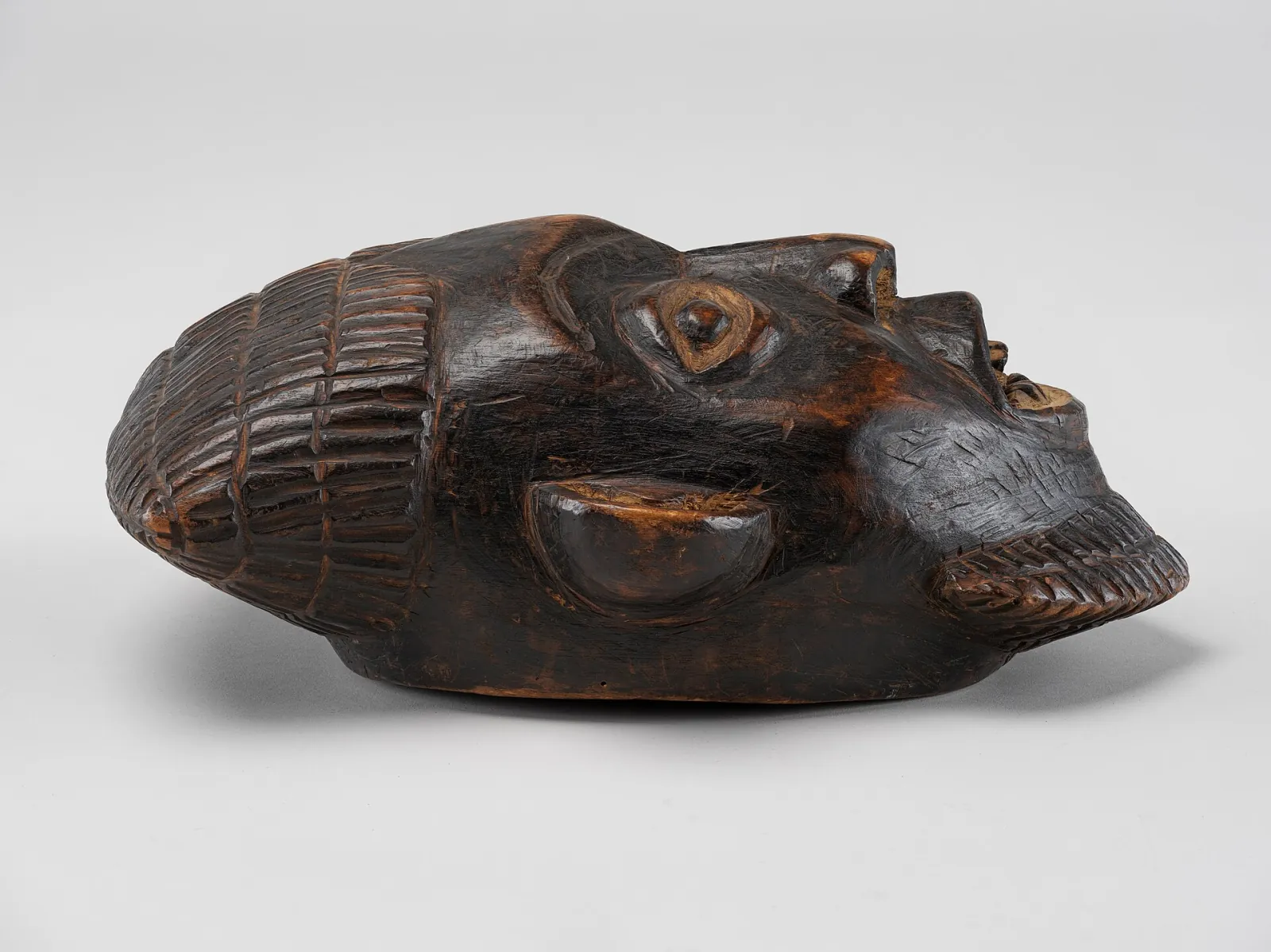
Objects held in national museums belong to the cultural heritage of the Nation and may not be freely copied. This procedure allows you to request authorisation to reproduce a collection item, whether by casting, craft copy, facsimile or photography intended for publication. You obtain a written authorisation specifying the object concerned, the process authorised, the number of copies and the permitted use. It is essential before making any replicas for sale in a shop, to illustrate a book, for a scenography or for an educational project. Without this decision, any exploitation of the reproduction is irregular.
Step by step
- Submission of the applicationYou submit the form and documents to the online One-Stop Shop, or to the nearest Regional Delegation, with the exact designation of the object.
- Checking of the fileThe One-Stop Shop checks that the documents are complete and forwards the file to the Directorate of Cultural Heritage, which sends it to the museum holding the object.
- Curator’s opinionThe museum curator examines the condition of the object and the suitability of the process, and may invite you to visit the gallery or casting workshop.
- Decision and paymentThe fee payable is displayed before payment. Once paid, the authorisation is signed with, where applicable, technical requirements.
- Production under supervisionYou produce the reproduction on the dates agreed with the museum, which may follow the execution and check the marking of the copies delivered.
- Fee payable
- 15,000 FCFA
- Turnaround
- Processing generally takes 15 to 25 working days, the time needed to obtain the museum’s opinion
- Validity
- Valid for 12 months from the decision, for the single object, process and number of copies stated
- Documents to provide
- 8
Documents to provide
- Reproduction application form completed and signed by the applicant
- Copy of the applicant’s national identity card or passport, or extract of registration of the organisation
- Precise description of the object: holding museum, inventory number, dimensions, material
- Technical note detailing the chosen process (casting, copy, 3D scan, photography) and the materials used
- Indication of the number of copies planned, their destination and how they will be distributed
- Written undertaking to mark the replicas and to follow the museum’s instructions
- Proof of the producer’s qualifications (references, portfolio or workshop certificate)
- Letter of support from the publisher or commissioning institution, if the reproduction is intended for a publication or a class
Before you begin
- The object to be reproduced must appear in the inventory of a public museum and its condition must allow the handling or access required by the chosen process.
- The proposed reproduction process must not cause any abrasive contact, removal of material or risk to the patina or support of the item.
- The applicant undertakes to mark each replica in a visible and indelible manner, so that it can never be mistaken for the original.
- The project must have a precise and lawful purpose: study, teaching, publishing, interpretation or sale, clearly described in the application.
Who is this procedure for?
Any craftsperson, artist, publisher, researcher, scenographer, school or company wishing to reproduce an object belonging to the collections of a public museum. The application is submitted by the person who will make or finance the reproduction. Legal entities act through their legal representative, holding a power of attorney. A minor may not submit the application themselves.
Processing time. Processing generally takes 15 to 25 working days, the time needed to obtain the museum’s opinion. It may be extended if the object is under restoration, on loan or if the process has to be modified.
Frequently asked questions
Can I simply photograph an object for my blog?
Simply taking a picture in the gallery for private use is allowed under the museum’s regulations. As soon as the image is published or sold, or special lighting is set up, authorisation is required.
My workshop in Foumban makes copies of thrones: does this concern me?
Yes, if your model is a specific item in a public museum. Creations freely inspired by a style, without copying an identified item, fall outside this procedure.
Can the museum refuse?
Yes, in particular if the object is fragile, if the process presents a risk or if the intended use undermines the dignity of the item. The refusal is justified in writing and you may submit a revised project.
Must I declare each replica sold?
The authorisation sets a maximum number of copies. You keep a production register and present it at the request of the museum or the Directorate of Cultural Heritage.
Special cases
If the replica is sold in an institution’s shop, the agreement between the craftsperson and the museum must be attached. Revenue and the sharing of earnings are then specified in that agreement.
Where the object has been the subject of a gift with reservation or a deposit, the agreement of the depositor or the successors in title is required. It must be attached to the file before the curator’s examination.
Digitisation does not touch the object but produces a file that can be used indefinitely. The authorisation therefore sets the permitted uses of the file and the length of time it is kept.
Useful templates and documents
- Reproduction rights assignment contractContract
- Work identification sheetProfile
- Condition report on a workMinutes
- Reproduction licenceContract
- Authorisation to use the image of a workCertificate
- Museum loan agreementContract
Reference texts
- Law No. 2013/003 of 18 April 2013 governing cultural heritage in CameroonLaw
- Texts in force relating to access to museum collectionsText
- MINAC One-Stop Shop user guideGuide
Services that process the file
- Directorate of Cultural Heritage
- One-Stop Shop
Conseil. Avant de déposer, prenez rendez-vous avec le conservateur pour valider le procédé : un projet déjà discuté est généralement instruit plus vite et sans demande de pièces complémentaires.
Submit the file
Fee payable: 15,000 FCFA
Have an account? Sign in to pre-fill the form and attach your documents.